Our Story
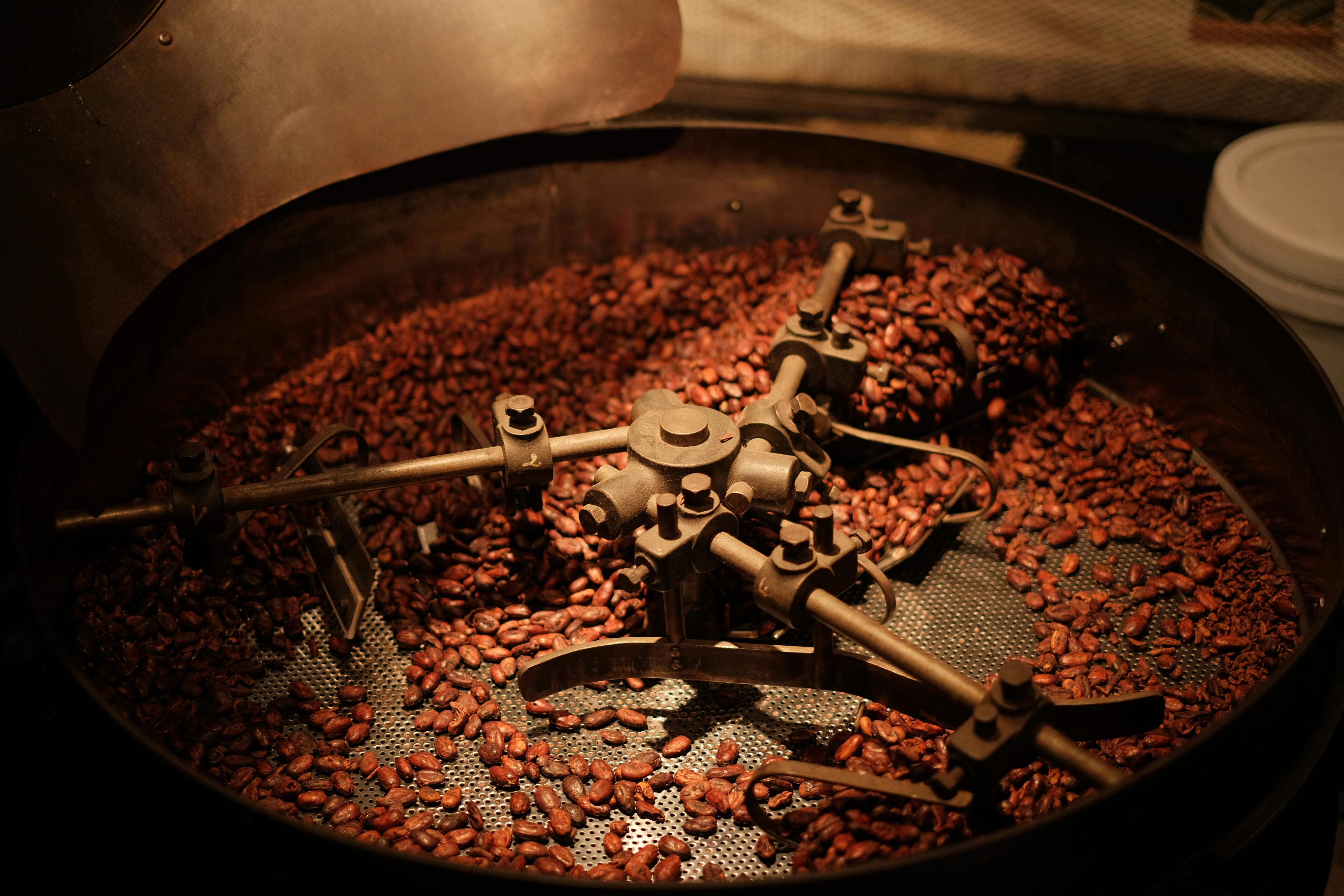
Kawa Polska began in a small kitchen in Krakow, where tradition met curiosity. Our founder grew up watching his grandmother prepare coffee with a level of care that seemed excessive to modern eyes. Every step was deliberate. Every measurement precise.
Years later, after working in commercial coffee operations across Europe, he realized what had been lost in the pursuit of efficiency. The methods that had been developed over generations were being replaced by shortcuts that prioritized volume over quality.
The Traditional Approach
Polish coffee preparation isn't complicated, but it is specific. The water temperature matters. The grind consistency matters. The timing matters. These aren't arbitrary rules—they're the result of generations of refinement.
When we started sourcing beans, we looked for farms that still used traditional growing methods. Small plots where attention could be paid to individual plants. Regions where altitude and climate created natural complexity in the beans.
Our Process
Each batch of beans we receive is roasted separately. We never mix batches to achieve consistency—instead, we embrace the natural variation that comes from real, seasonal agriculture. This means each bag is slightly different, just as it should be.
Our roasting profiles are based on traditional Polish methods, adapted for modern equipment. We roast slowly, allowing the beans to develop their full character without burning away the subtle notes that make coffee interesting.
Why It Matters
Coffee has become so commodified that most people have never tasted what it can actually be. They've had caffeine delivery systems, not the beverage itself.
When you slow down the process, when you use methods that respect the bean, something changes. The flavor becomes more complex. The experience becomes more satisfying. The ritual becomes something to look forward to rather than rush through.
Looking Forward
Our goal isn't to return to the past. It's to bring forward the parts of the past that actually worked, that made coffee something special rather than something ordinary.
We're continuing to work with small farms, continuing to refine our roasting profiles, and continuing to share the traditional methods that make the difference. Because good coffee shouldn't be a luxury—it should be the standard.